The waste and recycling industry operates on an enormous scale, touching nearly every sector of the economy. Because of that scope, the career options within it are unusually diverse, with pay that stays consistent. It’s an industry with real opportunities to build a career, whether you stay on the operational side or move into management over time.
Why Should You Work in the Waste Industry?
Most people don’t think much about what happens after waste leaves their hands, but the waste industry keeps the country running every single day. It’s not just meaningful work, but also well paid, well protected, and increasingly technologically advanced.
Stable Jobs and Competitive Pay
In the United States, more than 480,000 people earn their living in waste and recycling. The industry stretches from local collection crews to engineers designing advanced treatment systems, mechanics keeping fleets running, and environmental scientists monitoring landfills.
Depending on the role, annual pay can range from $40,000 to roughly $90,000 for most roles, with some senior engineering and management roles exceeding $100,000.
The largest share of jobs are in collection and transportation, where drivers and crew members make around around $48,000 nationally, with higher earning potential through overtime and in high-cost states such as Washington, Illinois, and California, where wages often exceed $60,000.
Professional roles, such as environmental engineers and project managers, regularly reach or surpass six figures. This can happen with experience, licensing, and in high-cost markets. Most of these positions also come with full benefits
Because waste collection and treatment are essential public services, this line of work tends to be recession-proof, since every home, business, and city still produces waste that must be collected and managed safely, regardless of market conditions.
Room to Grow and Advance
Many people enter the field through hands-on roles like collection, transfer stations, or maintenance, and gradually work their way up to lead or supervisor positions by earning certifications and building solid safety records.
A Commercial Driver’s License (CDL) is usually the first big step for those in collection or transportation, followed by state operator licenses or equipment certifications that open the door to higher-paying municipal and industrial jobs. From there, workers can move into route management, fleet supervision, or facility operations, where they can expect to earn 20% to 30% more than entry-level wages.
For people with technical or engineering backgrounds, the path forward usually comes from getting hands-on with real systems, and the more of that experience you build, the faster you move up.
The waste industry is one of the few fields where experience truly builds value over time. For example, if you start out as a reliable driver with a clean record and the right certifications, you can move into a supervisory role within a few years. The same pattern applies across most roles in the industry: consistent performance and training lead to steady promotion.
The Industry Is Expanding
In the United States, the waste sector continues to expand steadily as cities grow and regulations tighten. The market was valued at around $358 billion in 2024 and is projected to keep rising by about 5% each year through the next decade. This growth is being driven by long-term changes in both public policy and environmental awareness among consumers and businesses.
Many states are pushing for landfill reduction and recycling targets, which means more demand for sorting facilities, treatment plants, and waste-to-energy projects. At the same time, new technologies in collection, transportation, and disposal services are reshaping how companies manage operations.
9 Jobs in the Waste and Recycling Industry
1. Waste Management Specialist
Waste management specialists coordinate and monitor waste collection, recycling, and disposal programs for municipalities, agencies, or private companies.
Your day-to-day work at a city public works department, an environmental consulting firm, or a private waste company would involve studying how waste is collected, transported, and processed. You’d review system performance and make recommendations on how to improve recycling rates or extend landfill lifespan.
People start in this field through entry-level environmental or compliance assistant roles, often collecting data, conducting site inspections, or helping coordinate waste audits. From there, they move into analyst or coordinator positions where they begin managing smaller projects, reviewing regulatory documents, and working directly with contractors or local agencies.
With experience, specialists can advance to environmental manager or sustainability director roles, overseeing entire waste management programs for municipalities or large corporations.
How to become one: A bachelor’s degree in environmental science, engineering, or a related field is typically required.
Best for individuals who are: Detail oriented, analytical, and have problem-solving and organizational skills.
Benefits: Opportunity to make a positive environmental impact, work in a diverse field, and make innovations.
Average salary: $50,000 to $90,000 a year
Degree needed: Yes
2. Recycling Coordinator
If your city has a recycling program, a recycling coordinator is the person making sure it actually works. They oversee how materials are collected and sorted, track recycling rates, and work with haulers and processing facilities to improve efficiency.
How to become one: A bachelor’s degree in environmental science, sustainability, or a related field is often required. Experience/knowledge in recycling programs and practices is beneficial.
Best for individuals who are: Passionate about environmental protection, and effective communicators with strong coordination and management skills.
Benefits: Contributing to environmental protection and working in an interactive setting.
Average salary: $40,000 to $60,000 a year
Degree needed: Yes
3. Environmental Engineer
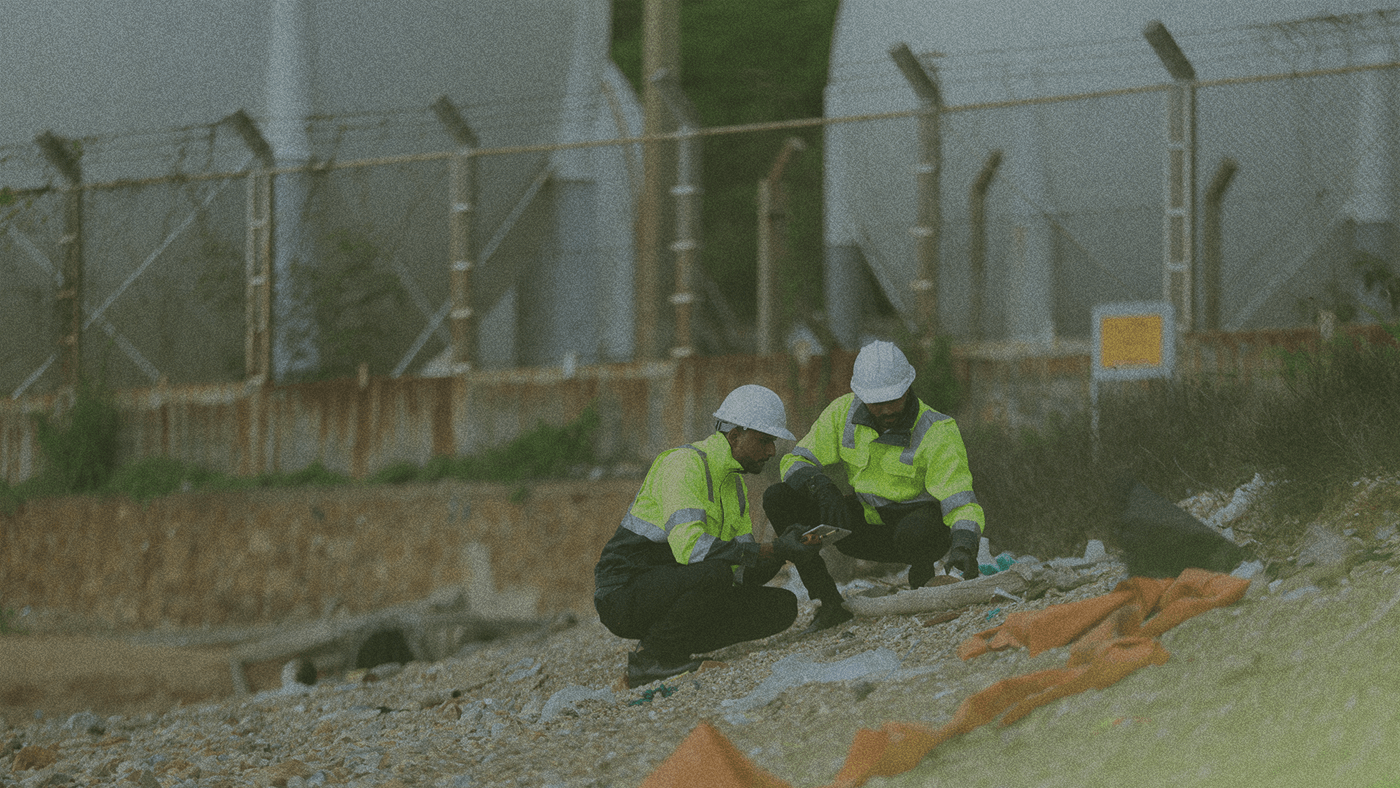
Environmental engineers focus on how waste is handled and treated, making sure the systems behind it work safely and efficiently.
They might run soil tests, draft blueprints for a recycling facility, or review emission reports. It’s analytical work that requires a degree in environmental or civil engineering, and most engineers pursue Professional Engineer (PE) licensing later in their careers.
How to become one: A bachelor’s degree in environmental engineering or a related field is typically required. Professional licensure and experience in the waste industry are often necessary.
Best for individuals who are: Strong problem solvers, technically skilled in engineering and environmental sciences, and passionate about sustainability.
Benefits: Opportunities to design and implement waste management systems, protect the environment, and innovate solutions.
Average salary: $60,000 to $100,000 a year
Degree needed: Yes
4. Waste Treatment Plant Operator
Operators monitor and control the equipment that cleans and treats wastewater before it’s released or reused.
They take regular samples, run basic lab tests, adjust chemical feeds, and keep pumps, filters, and other machinery working properly. The job requires attention to detail and a strong understanding of mechanical and biological processes, since even small changes in flow or chemical balance can affect the entire system.
In most cities, operators work under licensed supervisors and gradually earn higher state certifications as they gain experience. With time, they can advance to senior operator or plant supervisor roles, managing larger facilities or overseeing specialized treatment systems.
How to become one: A high school diploma or equivalent along with onsite training. Some employers prefer candidates with vocational training or waste-related certifications.
Best for individuals who are: Detail-oriented and are comfortable enforcing rules, regulations, and protocols.
Benefits: Playing a crucial role in environmental protection and contributing to public health and safety.
Average salary: $40,000 to $70,000 a year
Degree needed: No
5. Waste Collection Driver
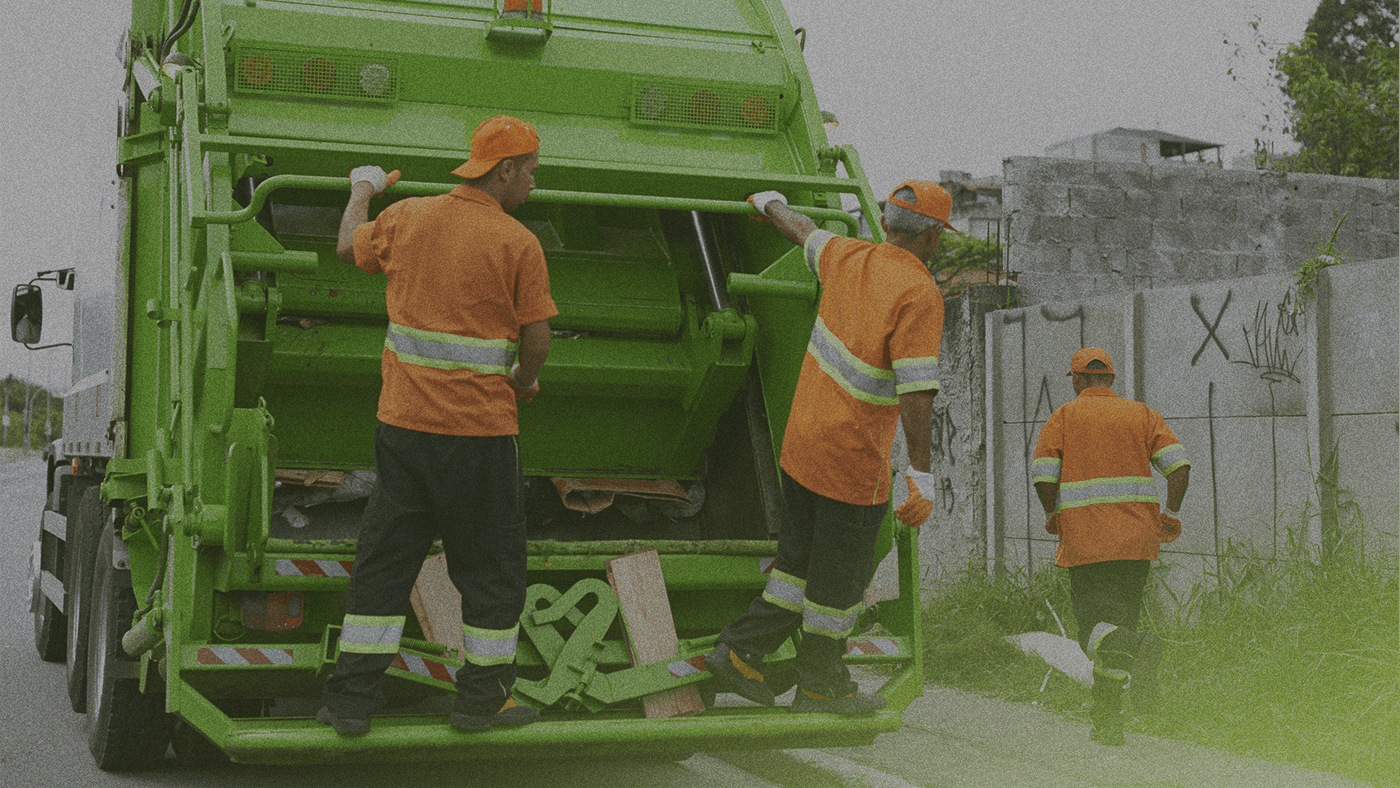
Collection drivers operate waste and recycling trucks, picking up materials from homes, businesses, and public areas on scheduled routes.
How to become one: A high school diploma or equivalent is typically required, as well as a driver's license. On-the-job training and a commercial driver’s license (CDL) may be necessary.
Best for individuals who are: Skilled drivers, physically fit, good at time management, and like to work independently.
Benefits: Opportunities for outdoor work, getting to stay physically active, work independence, and being a community figure.
Average salary: $30,000 to $50,000 a year
Degree needed: No
6. Driver Helpers
Driver helpers work alongside collection drivers, loading and unloading containers, managing bins, and making sure routes run smoothly.
How to become one: No specific formal education is typically needed, as on-the-job training is provided. Driver Helpers need to have a valid driver's license and a good driving record.
Best for individuals who are: Physically fit, capable of lifting heavy objects, and have good teamwork and communication skills. They should also be comfortable working outdoors in various weather conditions and have a strong sense of responsibility for safety.
Benefits: Hands-on experience in waste management operations, the opportunity to work outdoors, become community members, and gain valuable teamwork skills. They may also have opportunities for career advancement within the waste management industry.
Average salary: $35,000 to $45,000 a year.
Degree Needed: No
7. Mechanics
Mechanics service garbage trucks, compactors, loaders, and other heavy equipment that see constant use.
Most mechanics come from technical schools or vocational programs, and certifications in diesel systems or hydraulics can raise earning potential because they prove you can handle the most technical parts of the job.
How to become one: Formal training from technical or trade schools, community colleges, or vocational programs is typically required, with certifications preferred.
Best for individuals who are: Skilled in automotive mechanics, have a strong understanding of vehicle systems and enjoy working with their hands. They should have good problem-solving skills, attention to detail, and the ability to work independently.
Benefits: Opportunities to work on a variety of vehicles and equipment and contribute to the smooth operation of waste services. They may also improve their professional skills through apprenticeships or on-the-job training.
Average salary: $40,000 to $60,000 a year.
Degree needed: No
8. Waste Equipment Sales Representative
Sales representatives work with municipalities and private contractors to provide the trucks, compactors, and sorting systems that keep waste operations efficient.
How to become one: Strong sales and communication skills and experience, along with knowledge of waste equipment, are beneficial.
Best for individuals who are: Skilled in sales, have a good understanding of technical knowledge, and can build relationships with clients.
Benefits: Dealing with people, developing relationships, and commissions and bonuses.
Average salary: $40,000 to $70,000 a year.
Degree needed: No
9. Customer Support Specialist
Customer support specialists handle the daily coordination between customers and field operations. They schedule pickups, resolve missed-service issues, and explain recycling or disposal guidelines.
How to become one: Strong customer service and communication skills and experience are typically required. Knowledge of waste & recycling practices and regulations is beneficial.
Best for individuals who are: Customer-oriented, have excellent communication skills, and can handle customer inquiries and resolve issues.
Benefits: Opportunities for remote work available, contributing to customer satisfaction, and being a valuable resource for waste related information.
Average salary: $30,000 to $50,000 a year.
Degree needed: No
Modern Waste and Recycling Services
Sourgum uses technology to make waste and recycling simple and transparent. Our online platform lets customers schedule pickups, track their orders in real time, and see where their waste ends up. It makes the process clearer for everyone involved, giving people and businesses a real look at what happens after waste leaves their site.
We provide on-demand access to roll-off dumpsters for projects of any size and handle every stage of disposal through our network of trusted local haulers. From delivery to pickup, everything is coordinated through one centralized platform so customers don’t have to deal with phone calls or uncertainty about pricing.
You can rent a dumpster online anytime or give us a call at 732-366-9355.