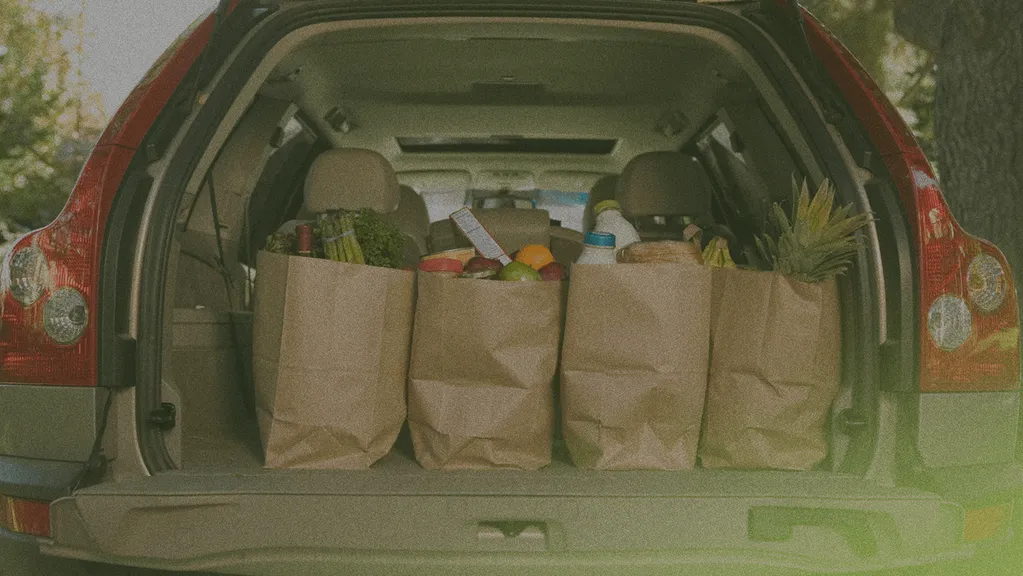
What would you do with an extra $1,300 at the end of the year? Or even $1,800? Maybe you’d finally book that vacation, upgrade a few appliances, or put it toward something else you’ve been saving for. The average American spends approximately $1,300 each year on food that goes to waste.1 With a few simple changes, that money could stay in your pocket instead of ending up in the trash.
What Is Food Waste?
According to the U.S. Department of Agriculture, food waste is defined as food that is fit for consumption but consciously discarded at the retail or consumption phases.2
At the consumer level, food waste is what happens when safe and edible food is thrown away. Food can be thrown away for aesthetic reasons, because we bought too much, or because we stored food improperly or for too long. But that doesn’t mean the end consumer is solely responsible for food waste. Here’s a breakdown of how food waste occurs at every stage of the food production process:
Phase 1: Losses during production and harvest
Phase 2: Post-harvest, handling, and storage losses
Phase 3: Losses during packaging and processing
Phase 4: Distribution and retail losses
Phase 5: Consumer losses including restaurant foods3
As of 2018, food waste made up almost 22% of municipal solid waste, the second highest category of waste following paper waste.4 As you might imagine, this massive amount of wasted food has to go somewhere. Unfortunately, it does not often end up in places that promote positive environmental effects. About 95% of discarded food ends up in landfills, making food waste a rampant contributor to climate change.
When food is discarded, all inputs used in producing, processing, transporting, preparing, and storing discarded food are also wasted. Food loss and waste also exacerbates the climate change crisis with its significant greenhouse gas (GHG) footprint. Production, transportation, and handling of food generate significant Carbon Dioxide (CO2) emissions and when food ends up in landfills, it generates methane, an even more potent greenhouse gas...
—U.S. Department of Agriculture
Fighting against food waste not only helps you be more environmentally conscious, but also fight food insecurity, positively impact farming practices, promote resource and energy conservation, and address climate change, which in turn, could also decrease climate change-related impacts on the agricultural supply chain. Typically, the most common types of wasted foods are fruits, vegetables, dairy products, bread, and meats.
How to Reduce Food Waste
Although it may seem like an unavoidable aspect of grocery shopping, here is a list of ten ways you can reduce your household food waste:
1. Store Smartly
Knowing how to properly store your produce is the best way to reduce your food waste. For example, to prevent them from spoiling, do not put potatoes, onions, garlic, squash, and tomatoes in the refrigerator. However, do put apples, pears, loose root vegetables, and leafy greens in the refrigerator to keep them nice and crisp.
Buying frozen veggies can reduce the hassle of knowing how to store certain items. Raw meats and fresh bread wrapped in tinfoil are handy freezer fixes. Meat will store for a long time and the bread can be heated up to be as fresh as the day you bought it. Take a look at this comprehensive list of produce storage.
2. Plan Ahead
Planning meals is another easy way to reduce your food waste. Before you go grocery shopping for the week, preplan your meals. You now have a basic shopping list of the ingredients you need to cook those meals. This will help you stay within budget and within your needs for the week. Make sure check your pantry and refrigerator first before buying anything new, especially if you've taken steps to reduce your plastic consumption and buy in bulk.
3. Elevate Your Leftovers
When you save food that you intend to eat later, make sure you actually eat it! Eating leftovers doesn't mean you have to eat them cold or just heat them up. You can elevate your leftovers by refreshing them with more ingredients and repurposing them into entirely new meals. If you can't eat them within two or three days, store them in your freezer. One of the best ways to ensure leftovers get eaten is to plan ahead a day of eating mostly leftovers.
4. Grow Your Own Produce
One of the more time-consuming, but rewarding ways of preventing food waste is to grow your own food. There are a lot of variables to growing your own food like yard space, climate, and time. There are also a lot of things that could go wrong during the growing process like drought, pests, using the wrong fertilizer, or overwatering. However, the effort is often worth the reward. Think about the types of seasonal produce you buy: tomatoes and cucumber in the summer, squash and beets in the fall, and radishes and spinach in the spring. All of those are seasonal produce that is at its best quality during certain times of the year.
By growing your own, you can have quality produce to eat (both fresh now and preserved for later) for a fraction of the monetary and planetary cost of driving to the grocery store to buy it. If gardening food intimidates you, start small! Grow some herbs like parsley, chives, and basil; they require very little effort, just daily sun and water. For some tips on how to start a food garden, check out these tips from FoodPrint.
5. Decode Package Dates
Another common cause of food waste is misunderstanding the dates that are printed on the packages of your food. The dates found on food products inform both the seller and consumer about the shelf life and optimal quality of the product. What you might not know is that many foods can still be eaten safely after these dates (with the exception of fresh meats, dairy products and some produce products like precut vegetables). Harvard University's School of Public Health has a guide to understanding food labels that explain the differences between sell-by, best-by, and use-by dates.
6. Practice Preserving
Preserving food might seem like a dated approach to keeping fruit in a spreadable form, but it actually means a lot of things about how you keep your food in the long term. Preserving requires patience, time, and trial and error. However, if you want to save money by buying in bulk, you can use different methods of preserving to store your food items for long-term storage, saving you money over time.
Some of the most common ways to preserve your food for long-term storage are freezing, dehydrating, pickling, fermenting, and canning. The Good Trade has compiled more information on these methods of long-term food preservation including how long the food lasts, what materials you need to start preserving, and video tutorials on how to begin these different types of preserving.
7. Cook Like a Chef
Luckily, cooking like a chef in terms of preventing food waste is not very difficult or time-consuming; however, you need to be dedicated to trying new things. There are many ways to "cook like a chef'' that prevent food waste. The main focus of this exercise in preventing food waste is to ensure that all parts of any products you cook with are used. Essentially, it is the most literal form of "how not to waste food" on this list, as all parts of most of your produce from stems to seeds to leaves can be used in your cooking.
8. Know Your Growers
Did you know that where you buy your grocery is as important as what you buy? Michigan State University suggests you buy your produce locally as a way to cut down on the negative environmental impact of your buying produce; because it goes through fewer phases of production and distribution when grown and sold locally.
The Good Trade takes this a step further and suggests buying your produce from regenerative farms. This practice not only reduces the environmental impact of growing and transporting produce to you by encouraging local produce buying, but it also negates some of the negative effects of poor farming practices that have become industry standard in the United States by prompting you to support farms that practice regenerative agriculture.
9. There's an App for That
There isn’t just one app designed to help prevent food waste; there are several. These tools offer a range of features and services to make reducing food waste easier and more convenient
Some help you find food, or even entire meals, from restaurants and grocery stores stores that are nearing their expiration date, allowing you to purchase them at a steep discount or pick them up for free. Some apps help you donate excess food by connecting you with local organizations and individuals in need. Others let you skip the store altogether by delivering nearly wasted or surplus produce straight to your door. Well + Good has a list of seven apps that can help you do your part to end food waste and potentially help local businesses.
10. If You Must Discard It, Compost It
Composting is one of the most direct ways to prevent food waste while benefiting the planet and your garden or lawn. At its core, composting is the natural decomposition of organic materials. While the science behind it is complex, the benefits are clear: compost enriches soil structure, provides essential nutrients, and helps plants resist diseases and pests.
You might be wondering what can go into your compost. The truth is, every compost pile is a little different. Generally, fruit and vegetable scraps, leaves, dried flowers, grass clippings, wood chips, mulch, eggshells, nutshells, rice, and bread are all suitable. Once your compost has fully decomposed, there are several ways to put it to work. It can fertilize edible plants, enrich your lawn, or be used as a nutrient-rich potting mix for indoor plants, providing minerals and benefits that standard potting soil cannot.
If you have more compost than you can use, many organizations accept donations or even offer pickup services. For those who don’t have the time or space to compost at home, certified compost is often available for purchase from local suppliers, making it easy to incorporate into your garden or indoor plants.
Takeaways
Reducing food waste does more than save money; it benefits your health, your garden, and the environment. Start by picking one method to reduce waste and committing to it consistently. Small, deliberate steps can build into lasting habits and meaningful change over time. With each effort, you’re not only cutting waste but also nurturing a more sustainable lifestyle. May your food waste-reducing habits grow with your compost pile.
Read our blog to learn other ways to choose sustainable, waste-free options for your home or business.